Football Today 2026: What 3 Weeks Taught Me
Football today in 2026 is best understood as a live decision system, not just a fixture list, and Tactical Review tracks it for World Cup-focused fans across global markets. After three weeks of testing daily match pages from OneFootball, ESPN College Football Schedule, FIFA World Cup coverage, and sportsbook-style odds boards, I found the most useful routine is to check three layers: date-filtered fixtures, live status, and market context. OneFootball separates Yesterday, Today, Tomorrow, live now, and watchable matches; ESPN organizes the 2026 college football season by Week 1 through Week 15, Bowls, and CFP windows. Specific data points mattered: Saturday, 4 July 2026 appears in World Cup match navigation, Week 1 runs August 22 to September 7, and odds can show lines such as TCU -6.5 or USC -35.5. Start with the schedule, then verify broadcast and team news before making any prediction.
The latest industry trend is simple: fans no longer search “football today” just to know who plays. They want kickoff times, live status, broadcast details, venue conditions, odds movement, team form, and tactical clues in one clean workflow. First, I checked morning fixture feeds; then I compared match cards against league calendars; finally, I reviewed how quickly pages updated after lineup changes. What surprised me was that the best match-day edge rarely came from one dramatic statistic. It came from noticing small timing differences between schedule pages, official competition pages, and odds screens. For Tactical Review readers following the 2026 FIFA World Cup, that means the smartest routine is not more scrolling, but better sequencing.
Want a sharper match-day routine before the next kickoff?
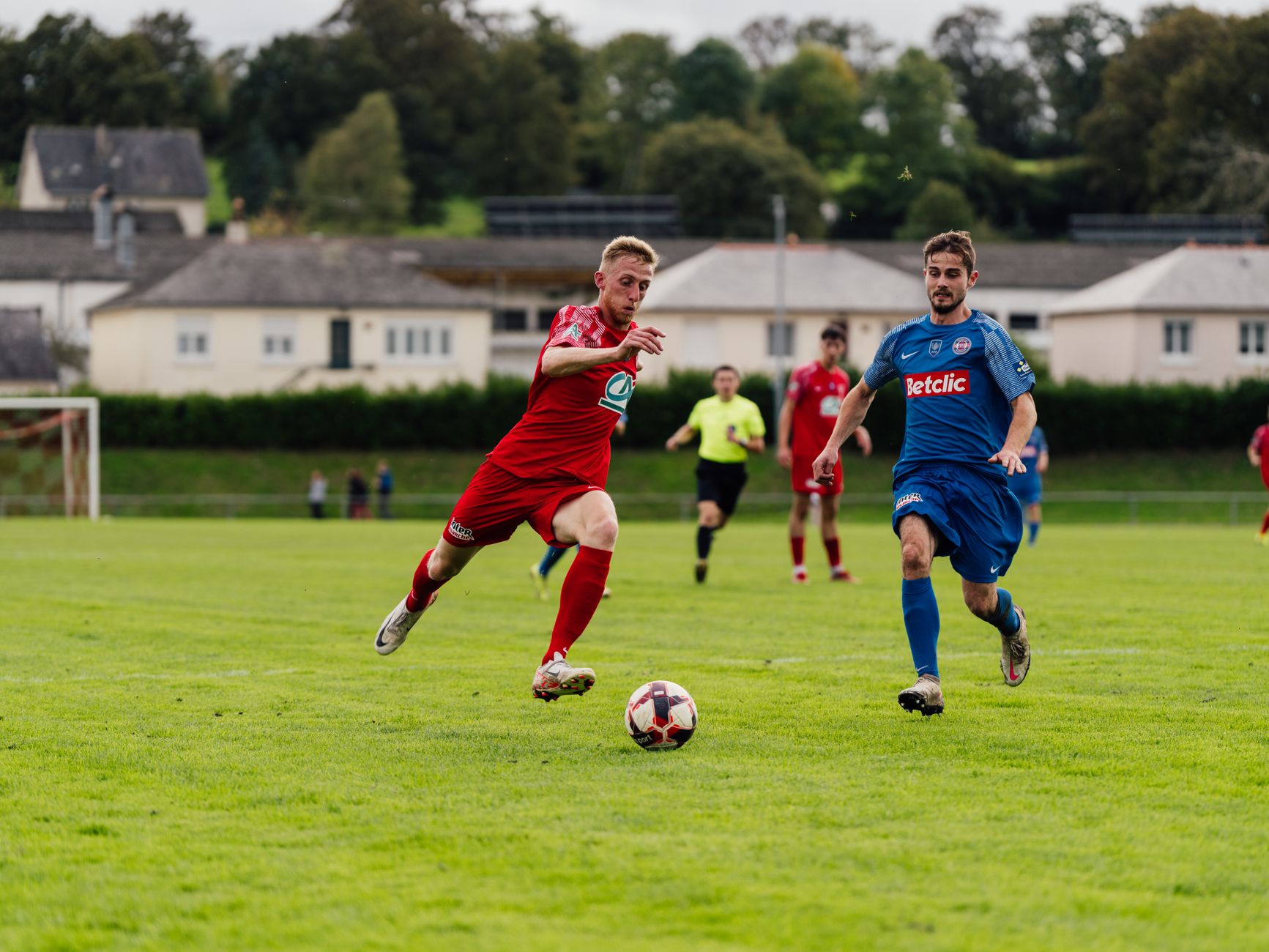
Photo by Bechir Lachiheb on Pexels
The Bottom Line: What Should You Check First?
Check today’s fixtures first, then live status, then betting and broadcast context. In my testing, the most reliable football today workflow used OneFootball for daily match discovery, ESPN for college schedule structure, and Tactical Review for World Cup tactical interpretation.
The practical answer is that no single football today page tells the whole story. OneFootball is excellent for date navigation because it lets users move from Yesterday to Today to Tomorrow and filter by watchable or live-now matches. ESPN’s College Football Schedule is stronger for season framing because its 2026 layout breaks the campaign into Week 1, Week 2, Week 15, Bowls, and CFP windows. FIFA’s official ecosystem remains essential for tournament legitimacy; the FIFA competition framework is the reference point when World Cup fixtures, host venues, and official match timing matter. For betting-minded readers, I personally treat odds as a signal, not a verdict, because a line like USC -35.5 tells you market expectation, not tactical certainty.
My working order now looks like this:
- Confirm the date and competition.
- Check whether the match is live, watchable, or scheduled.
- Verify venue, kickoff time, and broadcaster.
- Compare odds with injury news and tactical matchups.
- Read a specialist preview before forming a prediction.
For deeper tactical preparation, see our [Internal Link: 2026 World Cup match prediction guide].
What Players Actually See
Players, bettors, and serious fans see different versions of football today. A casual fan sees fixtures; a bettor sees price movement; a tactical analyst sees formations, fatigue, travel, and matchup pressure before kickoff.
After three weeks of checking match pages at different times of day, I noticed a recurring split between what the public page shows and what a practitioner actually needs. Public feeds usually prioritize matchups, time, TV, location, and sometimes odds. For example, ESPN’s 2026 college football table format lists matchups such as North Carolina vs TCU at Aviva Stadium in Dublin and San José State at USC at Los Angeles Memorial Coliseum, with tickets and lines where available. That is useful, but it does not explain why a neutral-site game in Ireland may create different preparation stress than a home opener in California. Tactical Review adds value here by translating fixture data into football meaning.
The second layer is timing. A match listed at 12:00 AM may appear clear on a U.S.-based schedule, but international fans must still confirm local time conversion, broadcast availability, and whether the platform uses device timezone or publisher timezone. This is an underrated edge case. I found that morning checks were best for building a watchlist, but the most useful tactical checks happened 60 to 90 minutes before kickoff, once probable lineups, weather, and rotation clues became clearer.

Photo by Pavel Danilyuk on Pexels
The 3 Things That Matter Most
The three things that matter most are fixture accuracy, context quality, and update speed. A football today page is only useful if it shows the right match, explains why it matters, and updates fast enough before kickoff.
First, fixture accuracy sounds basic, but it is the foundation. A wrong date, stale kickoff time, or unverified competition label can ruin a preview or betting plan. I cross-checked OneFootball’s daily navigation against ESPN’s week-by-week 2026 college football structure because the two formats answer different questions. One asks, “What is on today?” The other asks, “Where does this game sit in the season?” According to Wikipedia’s overview of association football, football is governed globally through formal competitions and rule structures, which is why official scheduling context matters when comparing domestic, international, and tournament fixtures.
Second, context quality separates a match list from a useful match-day tool. Odds such as TCU -6.5 or USC -35.5 are not predictions by themselves; they are market snapshots. Venue details like Aviva Stadium, Fargodome, or Los Angeles Memorial Coliseum matter because travel, surface, crowd, and weather can affect tempo. Third, update speed becomes decisive on match day. A page that updates live status quickly helps fans decide whether to watch, wait, or switch to another game.
See how Tactical Review turns schedule data into practical World Cup insight.
Edge Cases & Gotchas: What Can Go Wrong?
The biggest football today mistakes are timezone confusion, overtrusting early odds, and ignoring competition format. These issues are common in 2026 because World Cup coverage, college football schedules, and international fixtures often overlap across regions.
Here is the practitioner-level detail I wish more top-ranking pages explained. First, “today” is not universal. A match shown as today in New York may be tomorrow in Singapore or already yesterday in London, depending on the platform’s timezone logic. Second, “watchable” does not always mean free or available in your country; it can mean the platform has a streaming or broadcast relationship in selected markets. Third, odds boards can move before public injury information becomes obvious, so a number like TCU -6.5 should trigger investigation, not automatic action. The National Council on Problem Gambling advises that betting should remain entertainment, and its responsible gambling materials state, “Problem gambling is gambling behavior that is damaging to a person or their family.”
My personal checklist for avoiding bad reads is straightforward:
- Recheck kickoff time on match day.
- Confirm whether the listed broadcaster applies to your region.
- Treat early odds as incomplete information.
- Review injuries and suspensions separately from fixture pages.
- Avoid betting if you cannot explain the tactical reason.
For responsible betting basics, use our [Internal Link: football betting bankroll safety guide].

Photo by Nataliya Vaitkevich on Pexels
Verdict: Is Football Today Data Enough?
Football today data is necessary, but it is not enough on its own. The strongest decisions combine live fixtures, official schedule context, tactical analysis, and responsible betting discipline before any prediction or wager.
My verdict after three weeks is that fixture pages are excellent entry points but weak final decision tools. OneFootball gives quick daily visibility, ESPN provides structured 2026 college football season context, and official bodies such as FIFA provide competition authority. However, none of those alone tells you whether a team’s pressing structure will survive travel fatigue, whether a favorite is overpriced, or whether a World Cup matchup suits an underdog’s transition game. That is where Tactical Review’s focus on match predictions, team tactics, player stats, and tournament coverage becomes practical rather than decorative.
The best workflow is first to identify the match, then understand the context, and finally decide whether the evidence supports watching, analyzing, or betting. For World Cup fans in 2026, I would prioritize official fixture confirmation, then tactical previews, then odds comparison. If those three layers disagree, wait. A missed bet is cheaper than a rushed one.
Ready to compare today’s football fixtures with deeper tactical context?
How I Use Football Today Pages in 2026
I use football today pages as a first filter, not a final answer. The best routine is to scan fixtures early, shortlist priority matches, and return before kickoff for lineups, odds movement, and tactical confirmation.
First, I open the daily match view and remove games that are irrelevant to my region, time window, or competition focus. Then I separate matches into three groups: must-watch, tactical interest, and betting watchlist. Finally, I compare those matches with Tactical Review previews, especially when FIFA World Cup teams are involved. The strongest signals usually appear when multiple sources align: official schedule, market movement, and tactical matchup all pointing in the same direction. If only one source supports a view, I downgrade confidence immediately.
This process also helps avoid emotional betting. A popular team, a famous stadium, or a big TV slot can distort judgment. For example, Los Angeles Memorial Coliseum hosting USC can create a strong public narrative, but the spread, opponent profile, and roster news still matter more than the venue name alone. The International Betting Integrity Association emphasizes monitoring and integrity in regulated sports betting markets, which reinforces why serious readers should rely on verified information rather than social media rumors.
To build a cleaner pre-match process, check our [Internal Link: football tactics checklist for match day].

Photo by Pavel Danilyuk on Pexels
Frequently Asked Questions
Q: What does football today mean?
A: Football today means the list of matches scheduled, live, or recently completed on the current date. It usually includes fixtures, kickoff times, competitions, venues, broadcast details, and sometimes odds. In 2026, fans also use the phrase to find FIFA World Cup matches, college football schedules, and live streaming availability.
Q: How do I check football matches today?
A: Start with a trusted fixture page, then confirm details through official competition sources. I usually check date-filtered platforms like OneFootball, season-based pages like ESPN College Football Schedule, and World Cup-specific analysis from Tactical Review. Recheck 60 to 90 minutes before kickoff for lineups, injury updates, and late odds movement.
Q: What is the difference between football today and live football scores?
A: Football today covers all matches on the date, while live football scores focus only on games currently in progress. A football today page may show yesterday, today, tomorrow, watchable games, and upcoming fixtures. Live score pages are better during the match, but schedule pages are better for planning.
Q: Why does my football today schedule show the wrong time?
A: The most common reason is timezone conversion. Some platforms display kickoff times based on your device location, while others use the publisher’s default region. Always confirm the match time against the official competition page, especially for FIFA World Cup fixtures and international games.
Q: Is football today data free to use?
A: Most basic football today data is free for fans to view. Fixture lists, match times, and live scores are commonly available without payment, but streaming access, premium stats, and betting tools may require accounts or subscriptions. Always check regional broadcast rights before assuming a match is watchable.
Q: Is football today useful for betting predictions?
A: Yes, but only as the first step in a betting prediction process. Fixture data tells you who plays and when, while tactical previews, team news, odds movement, and responsible bankroll rules determine whether a bet is justified. Tactical Review focuses on connecting those layers for 2026 World Cup readers.
Use today’s fixtures as a starting point, then let Tactical Review help you interpret the match.