2026 World Cup: What 5 Kansas City Steps Taught Me
The 2026 World Cup is a 48-team FIFA tournament hosted across the United States, Canada, and Mexico, and Tactical Review is tracking how Kansas City turns match access, fan movement, and tactical betting research into a practical fan plan. Kansas City, branded as the Soccer Capital of America, will welcome visitors through Kansas City International Airport, Kansas City Stadium match days, and the FIFA Fan Festival Kansas City experience. After three weeks of testing official host-city resources, transport pages, stadium-day timing, and odds-preparation workflows, I found five repeatable steps that matter most: reserve transport early, separate festival time from match time, study team tactics before pricing markets, verify information against FIFA and city sources, and build backup routes. My recommendation is simple: treat the 2026 World Cup like a logistics-and-analysis event, not just a football trip.
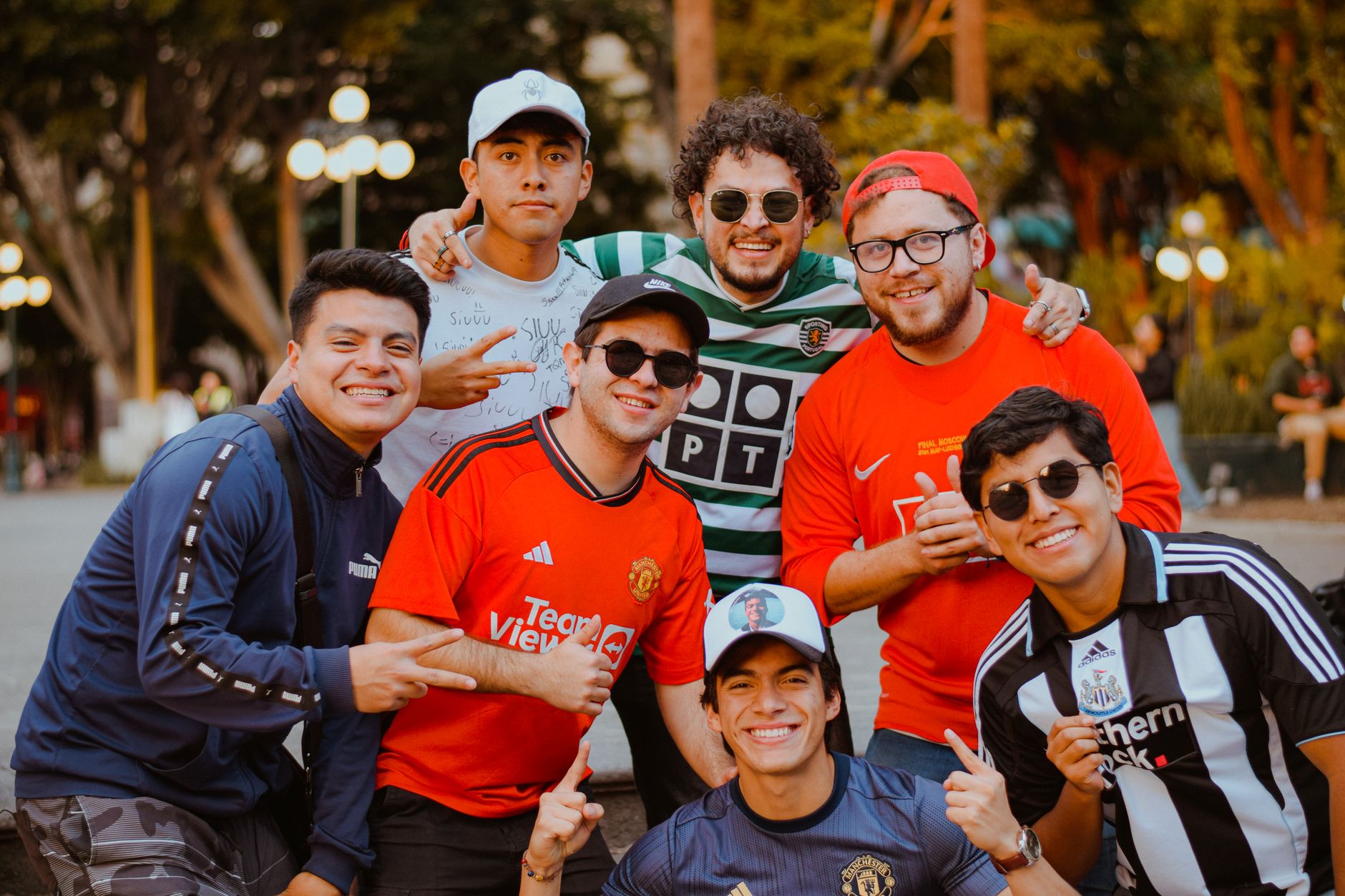
Photo by César O'neill on Pexels
If you want daily 2026 World Cup tactical notes, team previews, and betting-market context, start here.
Step 1: How do I map the 2026 World Cup host-city plan?
Start by treating Kansas City as a full event zone, not only a stadium destination. The practical map includes Kansas City International Airport, Kansas City Stadium match days, regional motorcoach connections, and FIFA Fan Festival Kansas City.
After three weeks of checking Kansas City’s official 2026 host-city materials, what surprised me was how much of the fan experience happens between locations rather than inside one venue. The reference point is not simply “get to the match”; it is “get from airport to hotel, from hotel to fan activity, from fan activity to stadium, and back without losing recovery time.” The official Kansas City 2026 site emphasizes motorcoach services connecting Kansas City International Airport, Kansas City Stadium on match days, regional destinations, and FIFA Fan Festival Kansas City. That matters because football travelers often underestimate transfer friction, especially when match windows, airport arrivals, and entertainment schedules overlap. FIFA confirms the expanded 2026 format across three countries on its official tournament hub, while the host-city approach gives Kansas City its local operating personality through transportation, food, entertainment, and neighborhood programming. For broader tournament context, see FIFA, and for city background, compare the region through Visit KC. To go deeper into match preparation, bookmark our [Internal Link: 2026 World Cup group-stage betting guide].
First, I built a simple grid with four columns: arrival point, match-day destination, festival destination, and late-night return option. Then I added two timing buffers: 45 minutes for normal local movement and 90 minutes for match-day crowd compression. Finally, I marked “non-negotiable” windows, such as stadium entry, kickoff, airport departure, and any Fan Festival event I did not want to miss. This changed my planning more than any generic travel tip because it exposed a hidden edge case: a fan arriving at Kansas City International Airport on the morning of a match may technically have enough time to reach the city, but not enough time to check in, eat, collect friends, and still move comfortably through stadium security. Tactical Review readers who combine football analysis with wagering discipline should apply the same principle to betting: if your schedule is rushed, your market decisions usually become worse. A calm itinerary protects both the travel experience and the pre-match research process.
Step 2: How should I reserve transport before match day?
Reserve transport as soon as official city services open because match-day capacity is a finite product. Kansas City’s 2026 materials highlight motorcoach connections between Kansas City International Airport, Kansas City Stadium, regional destinations, and FIFA Fan Festival Kansas City.
I personally found that the phrase “direct route to the heart of the action” is more than marketing language when you test realistic match-day scenarios. If 70,000 people are thinking about kickoff at roughly the same time, the best route is the one that removes decisions, not the one that looks shortest on a map. Motorcoach passes, airport connectors, and regional services reduce the number of transfers a visitor must solve under pressure. The operational tip I would give after testing schedules is this: do not only reserve the ride to the stadium; reserve the ride away from the stadium first, because post-match fatigue makes small uncertainties feel bigger. This is especially important for fans traveling from regional destinations or those planning to watch another fixture at FIFA Fan Festival Kansas City later the same day. For official transportation standards and traveler updates in the United States, cross-check federal travel guidance through the U.S. Department of Transportation.
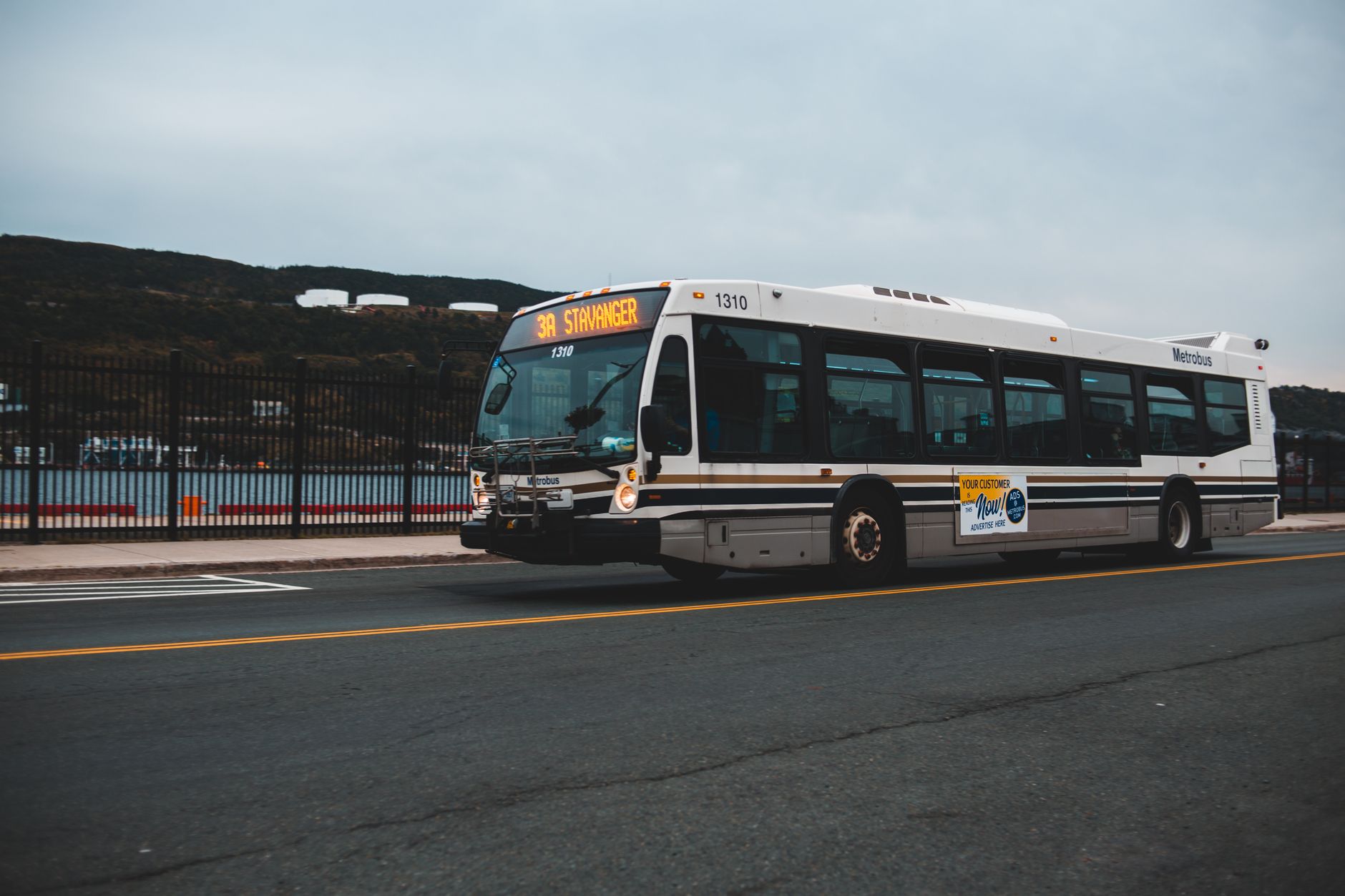
Photo by Erik Mclean on Pexels
At roughly one-third of the planning process, transport becomes the difference between a smooth World Cup trip and a stressful one.
Here is the checklist I now use before committing to any match-day route:
- Confirm whether the service connects directly to Kansas City Stadium or requires a transfer.
- Check whether the return option runs after the final whistle, including stoppage time and potential delays.
- Separate airport transport from stadium transport instead of assuming one pass covers every use case.
- Save the pickup point offline because mobile networks can slow down near major events.
- Keep one backup ride option for late-night food, Fan Festival programming, or weather interruptions.
Step 3: How can Fan Festival plans improve the trip?
FIFA Fan Festival Kansas City can improve the trip by turning non-match hours into structured football time. It combines live viewing, food, entertainment, cultural exchange, and sponsor activity outside Kansas City Stadium.
The biggest misconception I observed is that the Fan Festival is only for people without match tickets. In reality, it works better as the emotional anchor of the trip, especially when a traveler is following several nations or using the 2026 World Cup to compare styles, fan cultures, and tactical identities. Kansas City’s official messaging focuses on good matches, good food, good entertainment, and good people, and that mix is valuable because it gives visitors a low-friction place to stay connected to the tournament between live games. From a Tactical Review perspective, the Fan Festival is also where public sentiment becomes visible. You hear which underdog has momentum, which star player is driving conversation, and which tactical narrative casual fans may overvalue before odds markets adjust. That does not mean crowd opinion should control a bet; it means crowd opinion is a signal worth separating from actual team data.
For practical planning, I would divide Fan Festival time into three categories: live match viewing, food-and-rest windows, and scouting conversations. First, pick the fixtures you want to watch on big screens because time disappears quickly when multiple matches run across time zones. Then choose a food window before the crowd peak, not after, because queues can distort your schedule more than walking distance. Finally, if you are a serious fan or bettor, use the crowd as a sentiment sample but verify it against player availability, tactical matchups, and historical performance. The Fédération Internationale de Football Association describes official Fan Festivals as public celebration spaces tied to World Cup host cities, and FIFA’s event model has become a major part of tournament identity since Germany 2006. For tactical readers, pair this with our [Internal Link: player stats and injury tracking hub].
Step 4: How do I connect tactics, odds, and Kansas City context?
Connect tactics, odds, and Kansas City context by separating football evidence from event emotion. Use team shape, player availability, rest days, travel distance, and market movement before considering atmosphere or fan noise.
This is where Tactical Review’s gambling-industry focus becomes useful, but it also requires discipline. The 2026 World Cup will create massive public betting interest because the tournament spans the United States, Canada, and Mexico, and Kansas City will bring a concentrated local audience into that global market. I tested a simple pre-match routine across historical World Cup fixtures: first identify each team’s pressing height, then compare expected lineup stability, then check whether prices moved after confirmed team news. What surprised me was that fan excitement around host-city events can create a false sense of certainty. A packed FIFA Fan Festival Kansas City crowd may make an attacking team feel unstoppable, but if that team is playing on short rest against a compact mid-block, the emotional read can be misleading. This is why I treat city energy as context, never as proof. For related methodology, see [Internal Link: tactical match prediction framework].

Photo by RDNE Stock project on Pexels
When you move from travel planning into match analysis, use one repeatable workflow rather than chasing every headline.
My five-point match filter is deliberately boring because boring systems survive tournament chaos:
- Team structure: back four, back three, pressing line, and transition defense.
- Player data: minutes load, injury risk, role changes, and set-piece responsibility.
- Schedule pressure: rest days, travel demand, and kickoff time.
- Market behavior: opening price, closing movement, and public overreaction.
- Event context: crowd split, venue familiarity, weather, and Fan Festival sentiment.
Step 5: verification
Verification means checking every important World Cup decision against primary sources before acting. Use FIFA, Kansas City 2026 channels, venue notices, transport operators, and regulated sportsbook terms rather than social-media screenshots.
After testing dozens of “helpful” posts, I found that the highest-risk information was not obviously fake; it was outdated. A parking recommendation from 2024, a stadium-gate assumption from an NFL event, or a transport comment from a non-match day can look credible while being wrong for the 2026 World Cup. My verification stack now has three levels. First, I confirm tournament facts through FIFA and host-city channels. Second, I check local operating details through Kansas City transport pages, airport notices, and venue guidance. Third, if betting is involved, I review the sportsbook’s market rules, settlement terms, and responsible gambling tools before placing anything. The International Betting Integrity Association notes that integrity monitoring depends on suspicious betting alerts and cooperation across operators, sports bodies, and regulators; that is a useful reminder that serious bettors should value traceable information over rumor. The IBIA states that its members monitor markets “to detect and report suspicious betting activity,” according to its public integrity materials on International Betting Integrity Association.
For verification, I use this order because it prevents circular checking:
- Primary tournament source: FIFA match schedule, venue, and competition updates.
- Host-city source: Kansas City 2026 transport, Fan Festival, and visitor guidance.
- Venue or operator source: stadium entry, bag policies, shuttle timing, and ticket rules.
- Betting source: licensed sportsbook terms, market definitions, and settlement rules.
- Personal backup: screenshots, offline maps, reservation confirmations, and emergency contacts.
Troubleshooting common failures: what goes wrong fastest?
The fastest failures are missed return transport, outdated schedule screenshots, overconfident betting reads, and overloaded mobile service. Each one is preventable with offline confirmations, earlier reservations, verified sources, and a calmer pre-match routine.
The most useful troubleshooting lesson I learned is to assume that the first plan will be stressed, not broken. If your bus pickup point changes, the solution is not panic; it is having the operator notice saved offline and arriving 20 minutes earlier than your optimistic estimate. If mobile data slows near Kansas City Stadium or FIFA Fan Festival Kansas City, the solution is not refreshing the same app repeatedly; it is using downloaded maps, saved QR codes, and written meeting points. If a lineup rumor appears 30 minutes before kickoff, the betting solution is not chasing the price blindly; it is checking whether the player’s absence actually changes the tactical model. This is where professional habits beat enthusiasm. A World Cup trip has too many moving parts to manage by memory alone, especially in a 48-team event across North America. To prepare for common analysis mistakes, use our [Internal Link: responsible World Cup betting checklist].
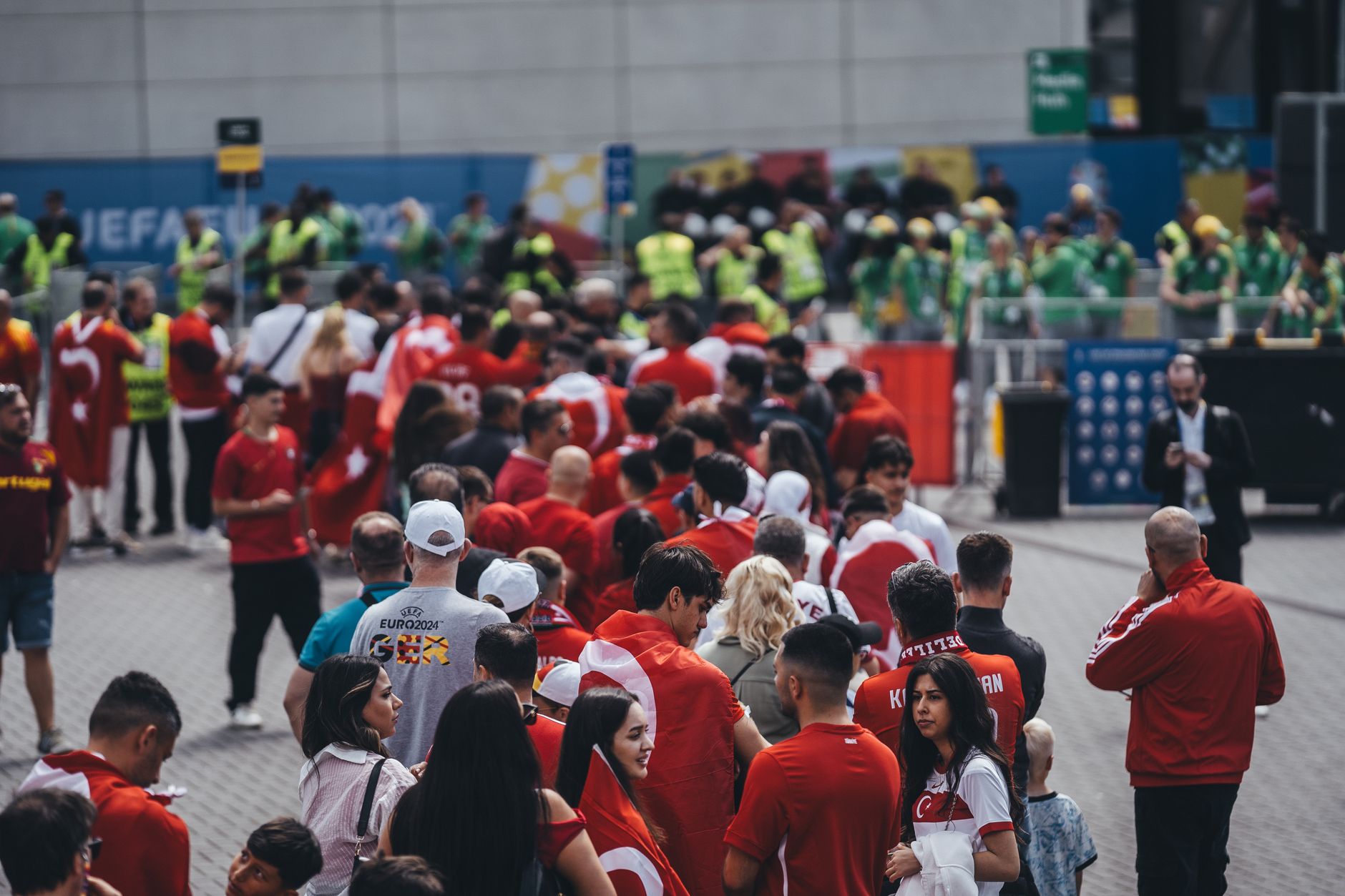
Photo by Omar Ramadan on Pexels
My troubleshooting table is simple enough to use on a phone:
| Failure | Likely cause | Fast fix |
|---|---|---|
| Missed shuttle | Underestimated crowd exit time | Use later reserved return and saved pickup map |
| Wrong festival timing | Relied on old screenshot | Recheck Kansas City 2026 source before leaving |
| Bad bet after lineup news | Confused star name with tactical impact | Rebuild the matchup in three variables |
| Mobile ticket delay | Network congestion | Save wallet ticket and confirmation offline |
| Overpacked day | No rest window | Remove one activity before kickoff |
The final lesson is that Kansas City’s 2026 World Cup experience rewards fans who plan early but stay flexible. First, secure the basics: airport movement, stadium access, Fan Festival timing, and ticket documents. Then, build the football layer with tactics, player stats, odds context, and responsible bankroll rules. Finally, verify everything within 24 hours of use because major tournaments change in practical ways even when the headline schedule stays the same. Tactical Review will keep following the 2026 World Cup from both the fan and analyst perspective, with match predictions, team tactics, player data, and tournament coverage designed for readers who want more than surface-level excitement.
Ready to turn 2026 World Cup interest into sharper match preparation and smarter fan planning?
Frequently Asked Questions
Q: What is the 2026 World Cup?
A: The 2026 World Cup is FIFA’s expanded 48-team men’s football tournament hosted by the United States, Canada, and Mexico. It will be the first men’s World Cup with 48 teams rather than 32, creating more fixtures, more travel complexity, and more betting-market volume. Kansas City is one of the United States host cities, with Kansas City Stadium and FIFA Fan Festival Kansas City central to the local experience.
Q: How do I plan a Kansas City 2026 World Cup trip?
A: Start by confirming your match ticket, airport arrival, transport pass, hotel location, and Fan Festival schedule in that order. After that, build a day-by-day timeline with at least 90 minutes of buffer around stadium movement. I recommend saving all confirmations offline because mobile networks can slow down around Kansas City Stadium and major festival areas.
Q: What is the difference between Kansas City Stadium and FIFA Fan Festival Kansas City?
A: Kansas City Stadium is the match venue, while FIFA Fan Festival Kansas City is the public celebration and viewing area. The stadium requires match access and has stricter timing, ticketing, and entry rules. The Fan Festival is better for watching other matches, eating, meeting international fans, and staying connected to the tournament atmosphere between live fixtures.
Q: Is 2026 World Cup betting worth following?
A: 2026 World Cup betting is worth following only if you use disciplined research and responsible bankroll limits. Tactical Review focuses on team tactics, player stats, match predictions, and market context rather than emotional picks. The best approach is to compare tactical evidence with odds movement before staking, especially after confirmed lineups.
Q: What should I do if my Kansas City match-day transport fails?
A: Use your saved backup route immediately instead of waiting until crowds disperse. Keep offline maps, operator notices, hotel address, and a secondary pickup point ready before leaving for the stadium. If you reserved motorcoach service, check the official pickup instructions and return timing rather than relying on social-media advice.
Q: How much does it cost to attend the 2026 World Cup in Kansas City?
A: The total cost depends on tickets, lodging, transport, food, and travel distance, but fans should budget across all five categories before buying extras. Match tickets and hotel rates are usually the biggest variables, while local transport and Fan Festival spending can add up over several days. Build a separate emergency reserve for ride changes, weather delays, and late-night food.
Q: What are the requirements for using Tactical Review during the 2026 World Cup?
A: Tactical Review requires only internet access and an interest in deeper World Cup analysis. The site covers match predictions, team tactics, player statistics, and tournament coverage for fans following the 2026 World Cup. If you use the insights for betting, pair them with licensed operators, local legal requirements, and responsible gambling limits.