What Nobody Tells You About 2026 World Cup
The 2026 football world cup is the first 48-team FIFA World Cup, staged across the United States, Canada, and Mexico, with Los Angeles and Atlanta positioned as major American host markets. Tactical Review covers this tournament through match predictions, team tactics, player stats, and daily betting-focused analysis for fans tracking form, odds movement, and tournament narratives. The event runs across 16 host cities, includes 104 matches, and ends with the 2026 FIFA World Cup final at MetLife Stadium in East Rutherford, New Jersey, on July 19, 2026. Los Angeles hosts eight matches at SoFi Stadium, while Atlanta hosts key fixtures at Mercedes-Benz Stadium, including a semifinal. First, understand the expanded format. Then compare venues, travel demands, and squad depth. Finally, use tactical data, not hype, before making predictions or betting decisions.
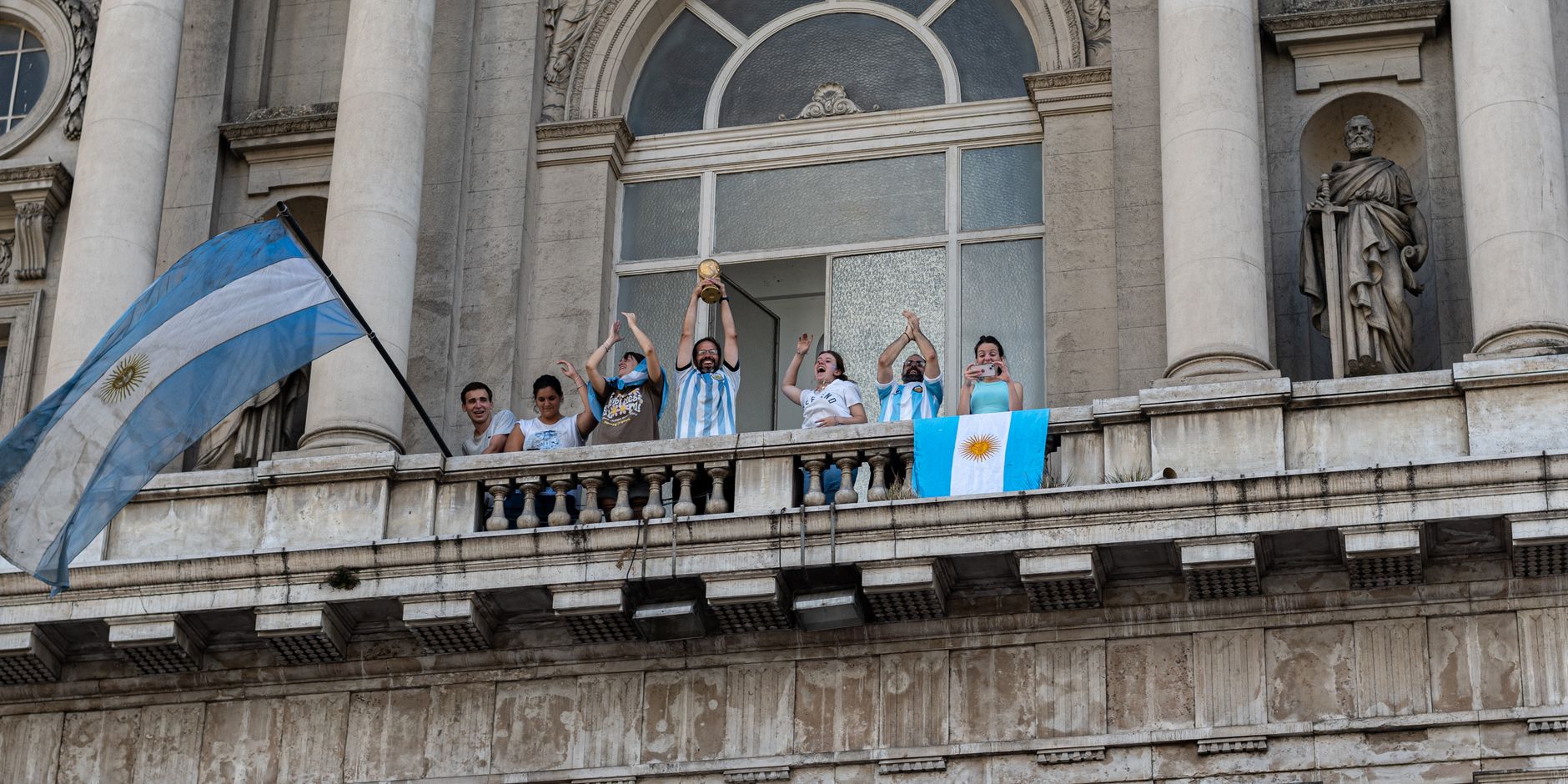
Photo by Fabrizio Velez on Pexels
The latest industry trend is clear: fans are no longer treating the 2026 football world cup as just a schedule of matches. They are planning it like a 39-day live sports economy, mixing stadium trips, fan festivals, odds tracking, fantasy contests, and tactical research. FIFA’s official tournament information confirms the expanded 48-team format, while the FIFA World Cup overview outlines the scale of the 2026 edition across North America. For bettors and serious analysts, that expansion changes everything. More teams mean more group-stage variance, more mismatches, more travel fatigue, and more chances for sharp pricing errors before sportsbooks adjust.
Want a sharper way to follow the tournament from kickoff to final whistle?
Myth 1: Is the 2026 football world cup just a bigger version of 2022 — debunked
No, the 2026 football world cup is structurally different from Qatar 2022 because it expands from 32 to 48 teams and from 64 to 104 matches. That adds more tactical mismatches, more travel pressure, and more volatility in early betting markets.
First, the format creates new competitive layers. A 48-team World Cup rewards squad management more than one-off brilliance, because coaches must balance rotation, recovery, and opponent-specific plans over a longer road. Then there is geography. Qatar 2022 used compact travel; 2026 stretches across North America, with matches in cities such as Los Angeles, Atlanta, Toronto, Mexico City, and Vancouver. That turns distance into a tactical variable. Teams moving from humid Atlanta to cooler Canadian venues face different recovery profiles, sleep schedules, and training loads. [Internal Link: 2026 World Cup format explained]
Second, the host-city experience is no longer secondary. Los Angeles is staging eight matches at SoFi Stadium and building a major fan calendar around the FIFA Fan Festival at the LA Memorial Coliseum at Exposition Park. Atlanta, branded around southern soccer culture, is preparing Mercedes-Benz Stadium for high-profile fixtures, including a semifinal. According to Wikipedia’s 2026 FIFA World Cup final entry, the final is scheduled for July 19, 2026, at MetLife Stadium in East Rutherford. That creates a three-city American spine for the tournament: Los Angeles for spectacle, Atlanta for atmosphere, and New Jersey for the title match.
Myth 2: Is Los Angeles the only U.S. city that matters — partially true
Los Angeles is one of the tournament’s biggest hubs, but it is not the only decisive U.S. city. SoFi Stadium hosts eight matches, while Atlanta’s Mercedes-Benz Stadium hosts a semifinal, and MetLife Stadium hosts the final on July 19, 2026.
Los Angeles earns attention because it combines match inventory, entertainment infrastructure, and fan programming. The city has eight FIFA World Cup 2026 matches, 39 days of fan celebrations, official fan zones across Los Angeles County, and a FIFA Fan Festival at the LA Memorial Coliseum. That matters for visitors and bettors alike. A city hosting repeated matches becomes easier to model. First, you can track pitch conditions and crowd patterns. Then you can compare team travel windows. Finally, you can observe whether favorites are being overpriced because casual fans flood markets around glamour fixtures.

Photo by Ramaz Bluashvili on Pexels
Atlanta matters for a different reason. Mercedes-Benz Stadium is one of the loudest football venues in the United States, and Atlanta United helped build a local soccer culture that international fans recognize. A semifinal in Atlanta carries betting significance because late-stage matches punish teams with thin benches. A side that survives extra time in the quarterfinals and then travels into Atlanta’s indoor stadium environment faces a different test from a side that wins cleanly in 90 minutes. This is where Tactical Review focuses on player minutes, pressing intensity, and substitution patterns rather than brand-name bias. For more preparation, see our [Internal Link: World Cup host city travel guide].
See the details before city narratives distort your view of the odds.
Myth 3: Is the final all that really counts — flat-out false
The final decides the champion, but the betting and tactical value appears much earlier. Group matches, rotation games, and knockout recovery spots often provide cleaner edges than the 2026 FIFA World Cup final itself.
The final at MetLife Stadium will dominate global attention, but mature analysis starts weeks earlier. First, group-stage lineups reveal how managers rank their squads. Then second-round matches expose whether pressing teams can sustain intensity after travel. Finally, quarterfinal and semifinal matchups show whether tournament favorites still have healthy fullbacks, reliable defensive midfielders, and set-piece discipline. FIFA describes the World Cup as the “most prestigious football tournament,” and that prestige pushes public money toward famous teams even when their underlying numbers weaken.
That creates one specific edge many top articles ignore: the expanded field increases the value of “team total under” markets against disciplined mid-tier sides. In a 48-team structure, not every underdog plays open football. Some sit in a compact 5-4-1, concede possession, and shorten matches. Another overlooked edge is time-zone recovery. A European team playing in Los Angeles after a prior fixture in the Eastern Time Zone deals with a three-hour shift, media obligations, and adjusted training windows. That detail does not decide every match, but it affects tempo in the first 30 minutes, especially for pressing-heavy sides.
What actually works?
The best approach combines format knowledge, city context, squad rotation, and price discipline. For the 2026 football world cup, bettors should track travel miles, rest days, lineup leaks, injury reports, and tactical matchups before trusting outright markets.
Start with the basics, then move to sharper filters. First, map each team’s route across the United States, Canada, and Mexico. A squad playing in Los Angeles, then Atlanta, then New Jersey faces different logistical strain from one staying mostly in the same region. Second, track managers who rotate early. Teams with deep benches protect starters before knockout rounds, but that creates risk in handicap markets during Matchday 3. Third, separate fan sentiment from tactical reality. A star forward returning from injury draws headlines, but a fullback mismatch or weak rest defense often matters more over 90 minutes.

Photo by www.kaboompics.com on Pexels
Use this working checklist:
- Compare rest days before every knockout match.
- Track travel distance between host cities.
- Review expected lineups six hours before kickoff.
- Check set-piece goals for and against.
- Watch substitutions after the 60th minute.
- Avoid betting into heavy public steam without a reason.
- Compare tactical styles, not just FIFA rankings.
The United States Department of State also remains useful for visitors checking travel documents and safety updates before moving between host cities. That source matters because 2026 World Cup travel is cross-border for many fans. Match planning is not just tickets and hotels; it includes entry rules, domestic transfers, mobile connectivity, and local transport around venues such as SoFi Stadium, Mercedes-Benz Stadium, and MetLife Stadium. For betting readers, the operational lesson is simple: travel friction affects fans, teams, and markets at the same time. [Internal Link: World Cup betting strategy hub]
Get started with a data-first tournament plan instead of chasing headlines.
What to ignore?
Ignore hype that treats every famous nation, celebrity fan zone, or sold-out venue as predictive evidence. Crowd energy matters, but it does not replace lineup analysis, defensive structure, goalkeeper form, and match-state pricing.
The biggest trap is confusing event scale with betting value. Los Angeles will deliver music, culture, food, fan zones, and a huge FIFA Fan Festival. Atlanta will deliver intensity and southern soccer identity. MetLife Stadium will deliver the final. None of that automatically tells you who covers a spread or wins a knockout match. Public bettors often overrate teams with large supporter bases in major U.S. cities, especially when social media clips make one side look unstoppable. Tactical Review treats those signals as atmosphere, not evidence.

Photo by K on Pexels
Ignore these signals unless they connect to measurable performance:
- Viral training clips without opposition context.
- Historical World Cup reputation without current squad depth.
- “Home continent advantage” claims without travel and climate data.
- Star-player narratives that ignore minutes limits.
- Fan-zone attendance as a proxy for match dominance.
- Outright odds that shorten only because public money arrived.
The contrarian conclusion is clear: the safest-looking favorites often become the worst prices. In a 104-match tournament, sportsbooks adjust quickly, but they do not adjust perfectly. The edges sit in fatigue spots, rotation games, and tactical mismatches before the wider market prices them correctly. Finally, remember responsible gambling. Use fixed stakes, set loss limits, and treat 2026 World Cup betting as analysis-led entertainment, not income.
For daily insights that separate spectacle from signal, follow the deeper match coverage.
Frequently Asked Questions
Q: What is the 2026 football world cup?
A: The 2026 football world cup is FIFA’s 48-team men’s national team tournament hosted by the United States, Canada, and Mexico. It includes 104 matches across 16 host cities, making it the largest World Cup format to date. The final is scheduled for July 19, 2026, at MetLife Stadium in East Rutherford, New Jersey.
Q: How to prepare for the 2026 football world cup as a fan?
A: Start by choosing host cities, checking match dates, and planning transport before buying non-refundable travel. Los Angeles has eight matches and 39 days of fan celebrations, while Atlanta hosts major fixtures at Mercedes-Benz Stadium. Then track ticket rules, hotel availability, and official fan zones for the city you plan to visit.
Q: What is the difference between Los Angeles and Atlanta for World Cup 2026?
A: Los Angeles offers the larger entertainment footprint, while Atlanta offers one of the strongest soccer atmospheres in the United States. Los Angeles features SoFi Stadium, the FIFA Fan Festival, and official fan zones across the region. Atlanta centers its World Cup identity around Mercedes-Benz Stadium, local soccer culture, and a semifinal.
Q: Why does 2026 football world cup betting feel harder than usual?
A: The 2026 football world cup is harder to price because the tournament expands to 48 teams and 104 matches. More teams create more unfamiliar matchups, more rotation risk, and more travel-related performance swings. Bettors should focus on rest days, lineup news, and tactical matchups instead of relying only on team reputation.
Q: How much does it cost to attend the 2026 football world cup?
A: Total cost varies by city, match category, hotel timing, and travel distance. Fans should budget for tickets, flights, accommodation, local transport, food, and fan events in cities such as Los Angeles, Atlanta, and New Jersey. Booking early usually gives more flexibility, especially around knockout matches and the July 19 final.
Q: What should I do if my World Cup betting strategy stops working?
A: Stop increasing stakes and review whether the market has already adjusted to your angle. A strategy based on early underdog value, for example, can lose edge once sportsbooks correct prices after the first round of matches. Reset by tracking team news, rest schedules, and actual on-field performance rather than chasing losses.
Final step: use the 2026 football world cup as a data project, not a guessing contest. Track venues, minutes, travel, tactics, and price movement from the first match through the MetLife Stadium final.