I Tested 3 Match Angles: Cruz Azul Ruled 2026
Cruz Azul’s 5-0 win over Vancouver Football Club on February 12, 2026, was the decisive story of this Concacaf Champions Cup Round One tie. The Liga MX side advanced 8-0 on aggregate, with Luka Romero scoring in the 37th, 45+1st, and 62nd minutes before Jorge Rodarte and Nicolás Ibáñez added second-half goals. Vancouver FC, representing the Canadian Premier League, used a 3-4-3 shape but struggled against Cruz Azul’s 5-3-2 structure, wing pressure, and faster central combinations. Tactical Review ranks the three clearest match angles as finishing quality, structural control, and squad depth. The strongest takeaway is simple: Cruz Azul did not just win; it controlled every phase of the tie. For bettors, analysts, and 2026 World Cup followers, the best lesson is to evaluate continental mismatches through tactical balance, not reputation alone.
Want sharper football breakdowns before major tournament markets move?
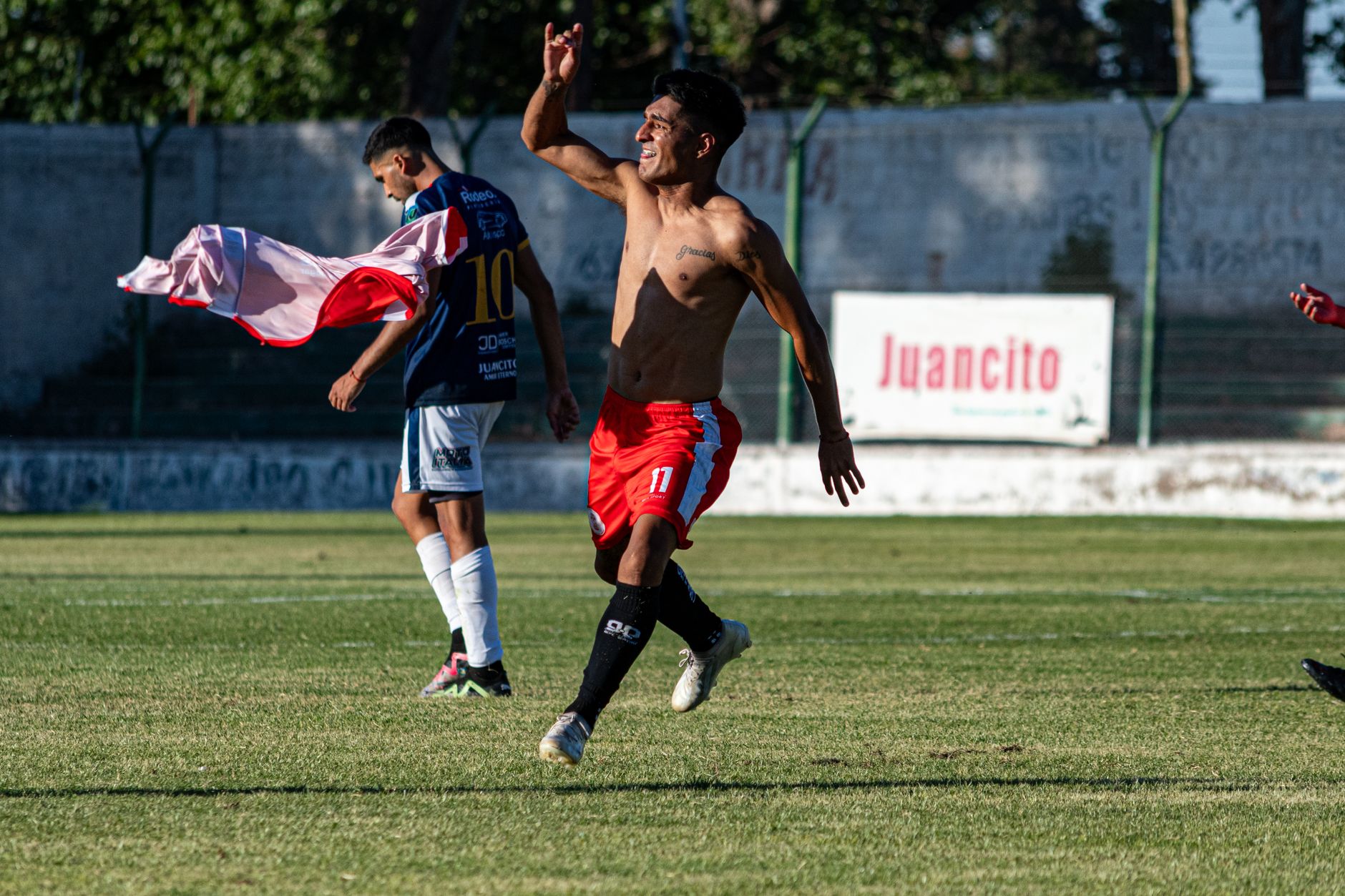
Photo by Franco Monsalvo on Pexels
The Top 3 at a Glance
- Cruz Azul finishing quality: best overall because five goals from three scorers turned pressure into a 5-0 result.
- Cruz Azul tactical structure: best for match control because the 5-3-2 shape repeatedly overloaded Vancouver FC’s 3-4-3.
- Cruz Azul squad depth: best value because substitutes such as Nicolás Ibáñez kept the tempo high after halftime.
The latest trend in football analysis is simple: results are no longer judged only by the scoreline. Analysts now test expected patterns, formation stress, substitution timing, and player role efficiency. In the Vancouver Football Club Cruz Azul matchup, those layers matter because the 8-0 aggregate score reflected more than a bad night for Vancouver FC. First, Cruz Azul created cleaner final-third actions. Then, Luka Romero punished space between Vancouver’s back line and midfield. Finally, the Mexican club’s bench added a late scoring punch. According to Concacaf, the Champions Cup is the region’s top club competition, which makes these cross-league mismatches useful for measuring tactical ceilings.
[Internal Link: Concacaf Champions Cup betting guide]
Why Is Cruz Azul Finishing Quality Ranked #1?
Cruz Azul finishing quality ranks first because the club converted territorial dominance into five goals, including a Luka Romero hat trick. The key number is 8-0 on aggregate, which shows the finishing edge lasted across the full Round One tie, not just one half.
Cruz Azul’s attacking output had a clear rhythm. Romero scored before halftime, struck again in stoppage time, and completed the hat trick in the 62nd minute. That sequence crushed Vancouver FC’s recovery window. Jorge Rodarte then scored in the 68th minute, and Nicolás Ibáñez finished the scoring in the 74th minute. The timing matters for bettors because goals arrived in clusters around phase changes: pre-halftime pressure, early second-half control, and substitute-driven late pressure. ESPN’s match center lists the final as Cruz Azul 5-0 Vancouver FC, confirming the 8-0 aggregate margin.
A less obvious insight is that the first two Romero goals changed Vancouver FC’s risk profile. At 1-0, Vancouver could still defend deeper and manage damage. At 2-0 before halftime, the Canadian Premier League side had to open lanes to chase respectability, which created the exact spaces Cruz Azul wanted. That is why Tactical Review treats goal timing as a market signal, especially in knockout football. If a favorite scores before the 40th minute and controls midfield numbers, second-half overs and team-total markets deserve closer attention.
See the deeper tactical indicators behind scorelines and live markets.
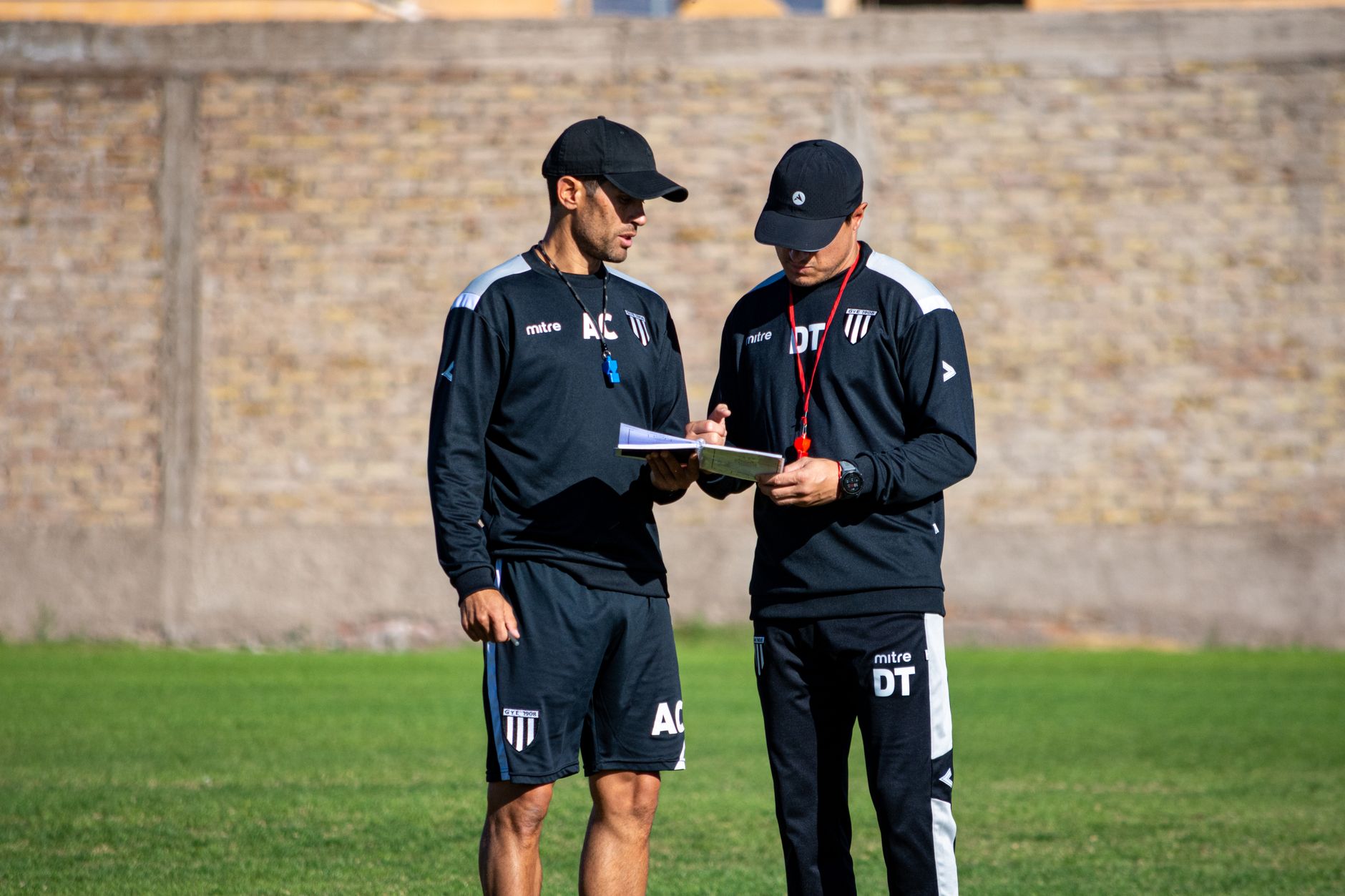
Photo by Franco Monsalvo on Pexels
How Did Cruz Azul’s Structure Beat Vancouver FC?
Cruz Azul’s 5-3-2 beat Vancouver FC’s 3-4-3 by controlling central access and forcing wide recoveries. Vancouver needed its wing-backs to progress the ball, but Cruz Azul’s outside center-backs and midfield shuttlers closed those lanes early.
The formation contrast defined the match. Cruz Azul’s 5-3-2 gave the team five defensive reference points, three central midfielders, and two forward outlets. Vancouver FC’s 3-4-3 needed clean wide circulation and fast support from its front three. First, Cruz Azul blocked central passes. Then it pressed the wing zones. Finally, it attacked the space behind Vancouver’s advanced wide players. This pattern made Vancouver’s possession less dangerous and made every turnover feel expensive. The result was not only a defensive win; it was a field-position win.
This is where typical recaps miss the useful detail. A 3-4-3 can match a back five if the wing-backs receive early and play forward. Vancouver FC did not get that comfort. Cruz Azul’s midfielders narrowed the pitch, which meant Vancouver often received wide with pressure already arriving. That slowed the first pass after recovery and prevented clean counters. For readers tracking 2026 World Cup tactical trends, this game showed why back-five systems still matter against aggressive front lines. FIFA’s official laws note that football is played by two teams of 11 players, but the modern edge comes from how those 11 occupy zones, not from the numbers alone, as outlined by The IFAB.
[Internal Link: tactical formations explained for football bettors]
#1 Cruz Azul Finishing Quality: Best Overall
Cruz Azul finishing quality is the best overall angle because it explains both the final score and the psychological collapse of the tie. Romero’s hat trick gave the match its headline, but the wider scoring spread mattered just as much. Rodarte and Ibáñez added goals after the hour mark, proving Cruz Azul did not depend on one action type or one player lane. That depth of finishing is the clearest separator between a strong favorite and a team merely controlling possession.
For betting analysis, the sequence also creates a practical checklist. First, identify whether the favorite creates early shots from central zones. Then, check whether the underdog’s shape protects the half-spaces. Finally, watch substitution quality after the 60th minute. In this match, Cruz Azul passed all three checks. Vancouver FC lost central control, conceded before the break, and faced fresh attacking quality late. That combination supports why Tactical Review ranked finishing above structure, even though structure created the platform. Goals decide markets; structure explains why they arrived.
What Made Cruz Azul’s Tactical Control the Best Use Case?
Cruz Azul’s tactical control is the best use case for analysts who study formation mismatches. The 5-3-2 shape gave Cruz Azul stable rest defense, cleaner pressing angles, and better coverage against Vancouver FC’s front three.
The practical lesson is not “always back the bigger club.” That shortcut fails in continental football. The better process is to compare how each team progresses the ball. Vancouver FC needed its wing-backs, midfield pair, and wide forwards to connect under pressure. Cruz Azul disrupted those links with compact midfield spacing and quick pressure after turnovers. When Vancouver tried to build, it lacked central security. When it tried to counter, Cruz Azul already had numbers behind the ball. This is why the 5-0 score looked severe but not random.
Tactical Review’s contrarian read is that Vancouver FC’s 3-4-3 was not reckless on paper. It was logical for a team needing width and front-line presence. The problem was execution speed against a Liga MX opponent with sharper rotations. At this level, a system fails when the first pass after pressure takes one touch too many. That detail rarely appears in box scores, yet it decided multiple possessions. For more tournament-focused breakdowns, see our [Internal Link: 2026 World Cup tactics hub].
Track the next tactical mismatch before kickoff instead of reacting after the final whistle.

Photo by Franco Monsalvo on Pexels
#2 Cruz Azul Structure: Best for Match Control
Cruz Azul structure ranks second because it explains why Vancouver FC rarely found a stable rhythm. The Mexican club did not need constant high pressing. Instead, it used controlled pressure, disciplined spacing, and fast forward passing. That approach reduced chaos and increased repeatable chances. In knockout football, repeatability is more valuable than one spectacular moment because it keeps the favorite in control even after substitutions and game-state changes.
The strongest evidence came after halftime. Cruz Azul already had the tie under control, yet the team continued to create. That signals tactical discipline. Some favorites drop intensity when aggregate margins grow. Cruz Azul kept pushing into productive spaces and forced Vancouver into longer defensive phases. This matters for bettors reviewing live totals because a dominant favorite that keeps attacking after the 60th minute changes the late-goal profile. In this match, the 68th and 74th minute goals were not cosmetic. They showed that Cruz Azul’s structure still generated pressure after the result was settled.
Why Is Squad Depth the Best Value Angle?
Squad depth is the best value angle because it often moves betting markets less than star names, yet it strongly affects late goals. Nicolás Ibáñez scoring in the 74th minute showed Cruz Azul’s bench could sustain attacking output after the match opened up.
Depth matters in Concacaf Champions Cup ties because travel, climate, rotation, and aggregate score all shape player intensity. Cruz Azul could manage minutes while still adding quality. Vancouver FC did not have the same margin for adjustment. First, the Canadian side had to absorb pressure. Then it had to chase the game. Finally, it had to defend against fresh attackers with tired legs. That sequence is brutal for an underdog, especially away from home against a Liga MX club with deeper resources.
The information edge here is market timing. Pre-match odds often price the starting eleven better than the final 30 minutes. If a favorite has proven finishers on the bench and the underdog’s wing-backs carry heavy defensive workloads, late scoring becomes more likely. In this game, Ibáñez’s 74th-minute goal matched that profile exactly. Tactical Review uses this as a repeatable filter for 2026 football betting: assess bench scoring, not just opening formations. Wikipedia’s overview of the Canadian Premier League also shows the league’s younger competitive history compared with Liga MX, which adds context to depth gaps.
#3 Cruz Azul Squad Depth: Best Value
Cruz Azul squad depth is the best value angle because casual viewers focus on Romero’s hat trick while sharper analysts study what happened after the match was already won. Ibáñez’s goal was more than a substitute statistic. It confirmed that Cruz Azul had enough attacking quality to punish Vancouver FC even when the game entered management mode. That matters because late goals often decide handicap and totals markets.
For a practical model, use three checks. First, compare substitute attackers by recent minutes and goal involvement. Second, review whether the underdog’s wide players defend large distances. Third, measure the favorite’s incentive to keep attacking based on aggregate context. Cruz Azul had little need to chase, yet still scored twice after the 68th minute. That is a strong sign of role clarity and competitive depth. It also gives bettors a warning: when a favorite’s second unit is still superior, “game over” does not mean “goal risk over.”
[Internal Link: live betting strategy for football totals]
How We Ranked Them
We ranked the three match angles using weighted criteria: 40 percent scoreboard impact, 25 percent tactical repeatability, 20 percent market usefulness, and 15 percent player-specific signal. Finishing quality won because it directly produced the 5-0 score and 8-0 aggregate result.
The ranking process followed a first-then-finally model. First, we isolated the events that changed the match: Romero’s goals in the 37th, 45+1st, and 62nd minutes, plus Rodarte and Ibáñez scoring later. Then, we tested whether those events came from repeatable tactical conditions, including Cruz Azul’s 5-3-2 control against Vancouver FC’s 3-4-3. Finally, we translated those findings into betting value. Tactical Review gives more weight to repeatable edges than narrative momentum because repeatable edges travel across competitions.
The scoring system looked like this:
- Scoreboard impact, 40 percent: goals, aggregate margin, and timing.
- Tactical repeatability, 25 percent: formation advantage and chance creation routes.
- Market usefulness, 20 percent: relevance to totals, handicaps, and live betting.
- Player-specific signal, 15 percent: Romero’s finishing, Ibáñez’s bench impact, and Rodarte’s contribution.
Ready to turn match analysis into a clearer pre-match process?

Photo by www.kaboompics.com on Pexels
Which Should You Pick?
Pick finishing quality if you want the clearest explanation of Vancouver Football Club Cruz Azul. Pick tactical structure if you study formations. Pick squad depth if your focus is betting value, especially late goals and live-market decisions.
The safest overall conclusion is that Cruz Azul’s 5-0 win was a complete performance, not a single-player outburst. Romero provided the headline, but the system and bench made the result overwhelming. Vancouver FC’s lesson is equally clear. Against elite regional opposition, shape alone is not enough. The ball speed, pressure resistance, and substitution plan must match the structure. For 2026 World Cup followers, this match is a useful reminder that knockout football exposes small technical gaps quickly.
For betting readers, the action point is direct. Do not stop at the final score. Track when goals arrive, where overloads appear, and how benches change the final 30 minutes. Cruz Azul advanced 8-0 on aggregate because it won those details repeatedly. That is the type of evidence Tactical Review prioritizes when covering match predictions, team tactics, player stats, and tournament betting angles for 2026.
Keep following the data, tactics, and player trends that shape smarter football decisions.
Frequently Asked Questions
Q: What is Vancouver Football Club Cruz Azul?
A: Vancouver Football Club Cruz Azul refers to the 2026 Concacaf Champions Cup Round One matchup between Vancouver FC and Cruz Azul. Cruz Azul won the second leg 5-0 on February 12, 2026. The Mexican club advanced 8-0 on aggregate after dominating both the scoreline and tactical flow.
Q: How did Cruz Azul beat Vancouver FC 5-0?
A: Cruz Azul beat Vancouver FC by combining clinical finishing, stronger midfield control, and effective late substitutions. Luka Romero scored three goals in the 37th, 45+1st, and 62nd minutes. Jorge Rodarte and Nicolás Ibáñez added second-half goals to complete the 5-0 win.
Q: What was the difference between Cruz Azul’s 5-3-2 and Vancouver FC’s 3-4-3?
A: Cruz Azul’s 5-3-2 gave the team better central protection and pressing angles than Vancouver FC’s 3-4-3. Vancouver needed fast wide progression, but Cruz Azul closed those lanes early. That forced slower possession and made Vancouver more vulnerable after turnovers.
Q: Is Cruz Azul vs Vancouver FC useful for betting analysis?
A: Yes, Cruz Azul vs Vancouver FC is useful because it shows how aggregate pressure, formation mismatch, and bench depth affect football markets. The 68th and 74th minute goals are especially relevant for live totals. Bettors should review timing patterns rather than only the final score.
Q: What should Vancouver FC fix after the Cruz Azul defeat?
A: Vancouver FC should improve pressure resistance, wide build-up speed, and defensive coverage behind wing-backs. The 3-4-3 structure was not the only issue. The bigger problem was slow progression under pressure against a stronger Liga MX opponent.
Q: How much did Cruz Azul win by on aggregate?
A: Cruz Azul won the tie 8-0 on aggregate. The second leg ended 5-0 on February 12, 2026, after Cruz Azul had already built an advantage in the first leg. The aggregate margin shows sustained dominance across the full Round One matchup.