Before You Bet, Read This 2026 World Cup Breakdown
Tactical Review ranks Kansas City as the leading 2026 World Cup football market to watch for U.S.-based fans, analysts, and regulated betting audiences because it combines six scheduled matches, a major FIFA Fan Festival presence, and a regional identity built around soccer culture. The 2026 FIFA World Cup will be staged across the United States, Canada, and Mexico, with FIFA expanding the tournament to 48 teams and 104 matches, according to FIFA. Kansas City’s local organizing platform emphasizes match-day galleries, fan stories, and the “Heart of America” positioning, making it useful for evaluating fan atmosphere as well as football context. For bettors in legal jurisdictions, the practical takeaway is simple: first track venue conditions and fan-market momentum, then compare team tactics, player stats, and odds movement before making any 2026 World Cup football decision.

Photo by K on Pexels
Want a sharper way to follow match trends before odds move?
What Are the Top 3 2026 World Cup Football Markets at a Glance?
The top three 2026 World Cup football markets in this breakdown are Kansas City, New York New Jersey, and Mexico City. Kansas City ranks first for regional identity, New York New Jersey ranks second for global commercial scale, and Mexico City ranks third for value, football heritage, and fan intensity.
- Kansas City: Best overall because six matches, the FIFA Fan Festival Kansas City, and local storytelling create a compact but high-signal football market.
- New York New Jersey: Best for global exposure because MetLife Stadium will host the final, giving it unmatched media and betting relevance.
- Mexico City: Best value because Estadio Azteca offers history, altitude, and tactical variables that may be underpriced early.
This ranking is not a tourism list; it is a football-information framework for fans following tactics, match predictions, player stats, and regulated betting markets. First, we assessed how much usable signal each location creates before kick-off: venue traits, crowd pressure, travel conditions, and likely liquidity in football betting markets. Then we measured how those factors could help Tactical Review readers interpret odds movement and match previews. Finally, we considered whether a city offers repeatable insight across multiple fixtures rather than a single headline event. For deeper preparation, see our [Internal Link: 2026 World Cup betting market guide].
Why Is Kansas City #1: Best Overall?
Kansas City ranks first because it combines six 2026 World Cup football matches with a strong host-city identity, large-scale fan programming, and an unusually coherent regional football narrative. Its value is not only stadium activity; it is the way local fan behavior, media attention, and match-day energy can shape pre-match analysis.
Kansas City’s case is strongest when viewed operationally. The local host platform highlights six match days, hundreds of thousands of visiting fans, FIFA Fan Festival Kansas City activity, and post-tournament galleries designed to document stadium and citywide atmosphere. That matters because football markets are not shaped only by team ratings. Crowd composition, travel fatigue, weather, pitch rhythm, and local excitement can influence how analysts frame opening lines and how casual money enters the market. A city that produces consistent fan engagement can create earlier price movement around popular national teams, especially if Mexico, the United States, or a European heavyweight appears there.
The edge case most generic previews miss is that Kansas City sits across a two-state metro area, with Missouri and Kansas infrastructure influencing movement, accommodation, and fan concentration. For 2026 World Cup football analysis, that matters because supporter density around fan zones can affect public sentiment faster than stadium-only reports. Tactical Review would treat Kansas City as a “sentiment amplifier”: first measure team news, then observe local fan concentration, finally compare whether betting prices move before tactical information justifies the shift. According to FIFA World Cup 2026 host information, the expanded format creates more fixtures and more group-stage variance than previous tournaments.
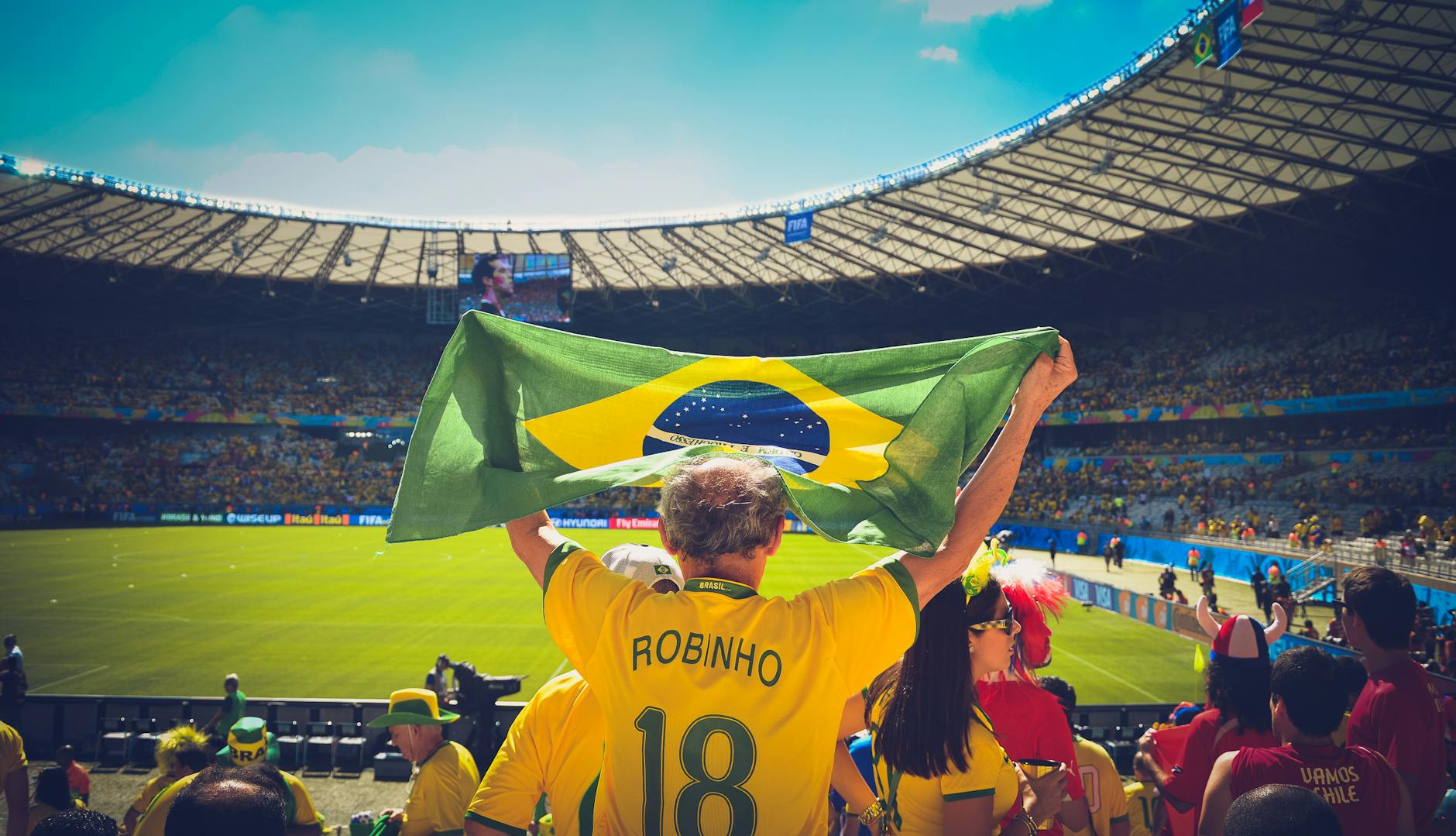
Photo by Caio on Pexels
See how Tactical Review turns host-city context into match intelligence.
Why Is New York New Jersey #2: Best for Global Exposure?
New York New Jersey ranks second because MetLife Stadium is scheduled to host the 2026 World Cup final, making it the tournament’s highest-exposure U.S. venue. It offers the strongest media signal, but that visibility can also make odds more reactive and less forgiving.
The New York New Jersey market is valuable because it concentrates global broadcasting, sponsor activity, tourism demand, and betting interest in one region. A final venue creates a different analytical environment from a group-stage venue: by the knockout rounds, team quality is clearer, injury data is richer, and tactical tendencies are more stable. However, the public market is also more crowded. Prices on finalists, golden boot candidates, and player props may adjust quickly because institutional media and casual bettors are watching the same signals at the same time. This makes New York New Jersey excellent for confirmation, but less attractive for early mispricing.
A practical example is timing. First, futures bettors may use MetLife Stadium as a reference point for path-to-final projections. Then match bettors can compare knockout-round rest days, travel distance, and likely crowd splits. Finally, prop-market readers can use Tactical Review player-stat models to test whether the public narrative matches recent shot volume, pressing output, and minutes played. The Wikipedia overview of the 2026 FIFA World Cup notes the tournament’s 48-team expansion, which increases bracket complexity and makes path analysis more important than in 32-team editions.
Why Is Mexico City #3: Best Value?
Mexico City ranks third because Estadio Azteca adds altitude, history, and deep football culture to the 2026 World Cup football schedule. It may offer better analytical value than larger media markets because tactical and environmental variables can be priced unevenly in early betting lines.
Estadio Azteca is not just another venue. It has hosted World Cup history before, and Mexico City’s altitude creates a measurable playing-context issue for teams that rely on repeated high-intensity pressing or late-game transitions. While elite teams plan for this, public betting markets sometimes over-focus on squad reputation and underweight environmental adjustment. That is where value can appear. A team with strong possession control, disciplined rest defense, and prior experience in CONCACAF conditions may be more resilient than a higher-ranked opponent whose pressing model fades after 60 minutes.
The contrarian conclusion is that Mexico City may be more useful for totals and live betting than for simple match-winner markets. First, watch the opening 15 minutes for tempo discipline. Then compare substitutions after the 55th minute, especially full-backs and central midfielders. Finally, check whether shot quality declines before possession share does. Tactical Review readers should not assume altitude automatically favors one side, but they should treat it as a tactical constraint. For additional context, see our [Internal Link: team tactics and player fatigue analysis].
For tactical previews that connect venue conditions with match probabilities, continue here.
How We Ranked Them
We ranked the three 2026 World Cup football markets using five weighted criteria: match relevance, fan signal, tactical information value, betting-market usefulness, and content depth. Kansas City scored highest overall because its six-match schedule and fan programming create repeated, observable data points across the tournament.
Our framework assigns 30% to match relevance, 20% to fan signal, 20% to tactical information value, 20% to regulated betting-market usefulness, and 10% to available local content. This gives balance between hard football information and softer indicators such as supporter movement. First, match relevance measures whether the venue is likely to influence tournament narratives. Then fan signal evaluates whether crowd and city activity can reveal sentiment before prices fully adjust. Finally, tactical value measures whether venue-specific traits, such as altitude, travel, or pitch rhythm, can change how teams play.
Trade-offs are explicit. Kansas City leads because it offers repeated observation and a strong local football identity, but it does not carry the final-stage gravity of New York New Jersey. New York New Jersey has the biggest event profile, but its visibility can reduce informational edge. Mexico City has excellent tactical texture, but its betting value depends on whether markets underprice altitude and opponent adjustment. As the United States Soccer Federation has emphasized across national-team coverage, match context is increasingly data-driven, not just narrative-driven. For methods, check [Internal Link: football prediction model criteria].
Which Should You Pick?
Pick Kansas City if you want the best all-around 2026 World Cup football market to follow, New York New Jersey if you care most about the final and global media movement, and Mexico City if you are looking for tactical value. Each market serves a different analytical purpose.
For most Tactical Review readers, Kansas City is the most practical starting point. It creates enough match volume to compare patterns across fixtures, while the FIFA Fan Festival Kansas City and regional storytelling make fan sentiment easier to observe. That helps readers separate durable football information from temporary hype. First, follow fixture announcements and team allocations. Then build watchlists around travel distance, rest days, and expected crowd balance. Finally, compare Tactical Review match predictions against closing odds to see whether the market moved for tactical reasons or public sentiment.
If your interest is more advanced, combine the three markets rather than choosing only one. Use Kansas City for early tournament rhythm, New York New Jersey for knockout-stage market confirmation, and Mexico City for venue-specific tactical testing. This layered approach is more useful than treating all host cities equally. It also mirrors how professional analysts build a tournament view: broad data first, match-specific evidence second, price discipline last. For ongoing coverage, monitor our [Internal Link: 2026 World Cup daily insights].
Photo by Franco Monsalvo on Pexels
To follow the tournament with structured previews and market-aware analysis, start with Tactical Review.
Frequently Asked Questions
Q: What is 2026 World Cup football?
A: 2026 World Cup football refers to the FIFA men’s World Cup hosted by the United States, Canada, and Mexico. The tournament expands to 48 teams and 104 matches, making it the largest edition in FIFA World Cup history. For Tactical Review readers, that means more group-stage variance, more tactical mismatches, and more betting markets in regulated jurisdictions.
Q: How should I follow 2026 World Cup football betting markets?
A: Start by tracking fixtures, team news, venue conditions, and odds movement before comparing predictions. First review squad fitness, then assess travel and rest, and finally compare tactical matchup data with the available price. Tactical Review focuses on match predictions, team tactics, player stats, and tournament coverage to support that process.
Q: What is the difference between Kansas City and New York New Jersey as 2026 World Cup markets?
A: Kansas City is stronger for repeated fan-signal analysis, while New York New Jersey is stronger for global exposure and final-stage attention. Kansas City’s six matches and fan festival activity create useful group-stage context. New York New Jersey becomes more important later because MetLife Stadium hosts the final.
Q: Why might Mexico City affect match tactics?
A: Mexico City may affect match tactics because altitude can influence tempo, pressing intensity, and late-game substitutions. Estadio Azteca has a historic World Cup profile and a demanding playing environment. Analysts should watch whether teams reduce pressing frequency or protect central spaces earlier than usual.
Q: Is Tactical Review free to use for 2026 World Cup coverage?
A: Tactical Review provides World Cup-focused content for fans seeking match predictions, tactical analysis, player stats, and tournament updates. Availability may vary by feature, content type, or market. The best approach is to start with the latest daily insights and then follow deeper previews as fixtures are confirmed.
Q: What if odds move before team news is confirmed?
A: Early odds movement often reflects public sentiment, market liquidity, or unofficial information rather than confirmed tactical changes. First verify official squad updates, then compare movement across multiple regulated sportsbooks where legal. If the price shift is not supported by injuries, lineup changes, or matchup logic, it may be noise rather than signal.